Settle on a consistent mark
Choose the version you intend to use, including its wording and graphic elements. Check whether it is distinctive rather than a generic symbol or a description of what you sell.
Trademark basics
Can you trademark an AI logo? In the United States, potentially yes: trademark protection turns on whether the mark identifies your goods or services, not simply on how the artwork was made. AI involvement does not replace a clearance search or establish ownership of every visual element.
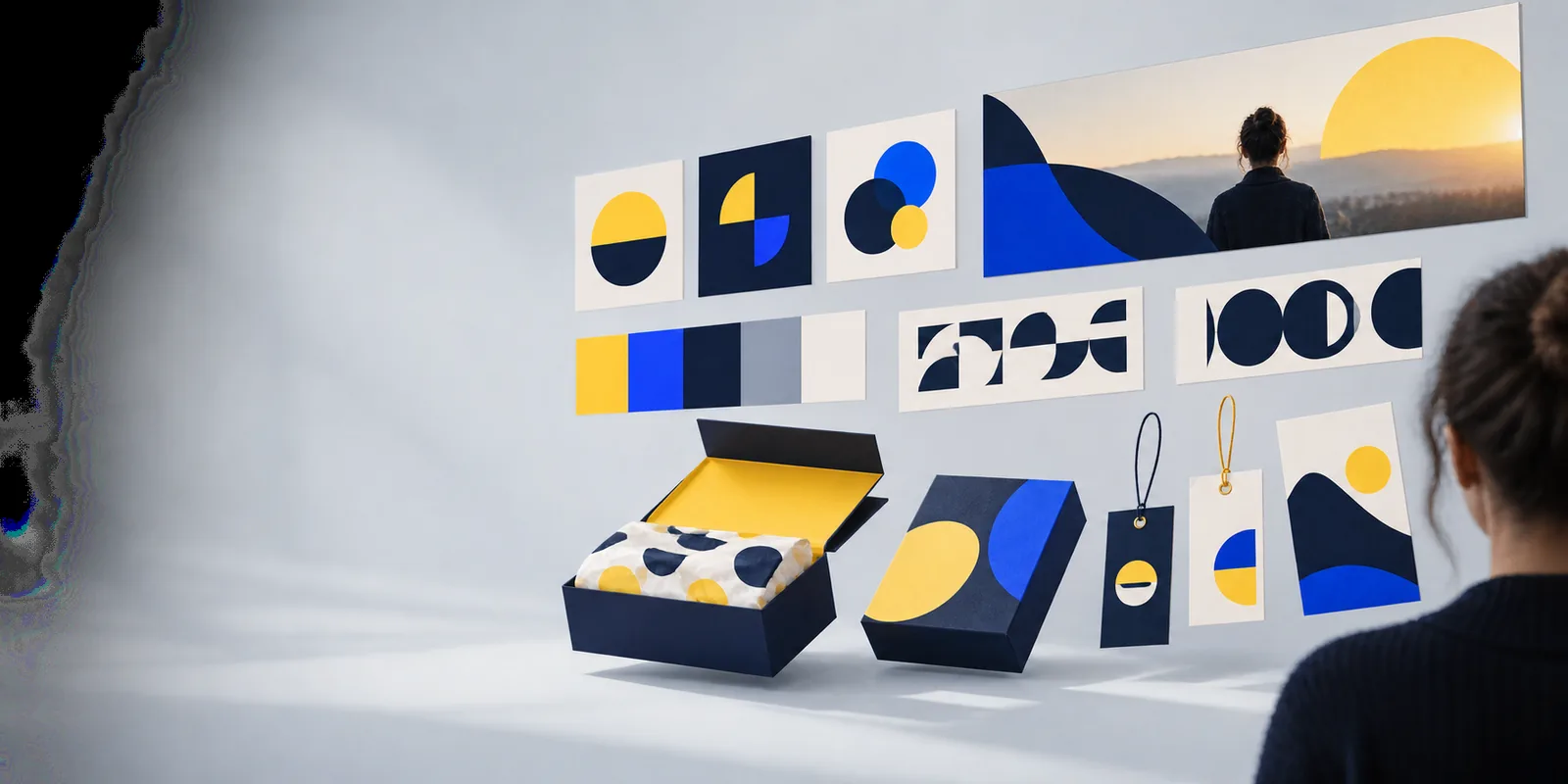
A trademark protects a sign that identifies the source of goods or services; it does not grant a general monopoly over an image or an artistic style.
Treat an AI-assisted design as a proposed brand identifier, then test whether it is suitable for the particular goods or services you plan to offer.
Choose the version you intend to use, including its wording and graphic elements. Check whether it is distinctive rather than a generic symbol or a description of what you sell.
Look for similar marks in relevant goods and services, including registered marks and marks used without registration. Similarity of appearance is only part of the likelihood-of-confusion assessment.
For a US federal application, identify the owner and goods or services, then determine whether a use-based or intent-to-use filing fits. An intent-to-use application still requires later proof of qualifying use before registration.
These checks help separate a promising design from a mark you can credibly claim and maintain.
Search beyond exact matches and beyond the USPTO database.
An intent-to-use filing has different initial requirements.
Useful for reviewing provenance; these records do not establish trademark rights by themselves.
Registration can strengthen rights in a qualifying mark for specified goods or services. It cannot cure an unclear chain of rights or make a confusingly similar design safe.
An AI system may produce a design resembling an existing brand. A federal filing does not erase another party's prior rights or prevent an opposition.
WorkaroundSearch relevant markets and ask a trademark attorney to assess close results.
Rights relate to the mark as used and the goods or services involved, not every image sharing its shape, theme or color palette.
WorkaroundUse a consistent mark and review material redesigns separately.
Trademark and copyright have different tests. AI-generated artwork may raise separate copyright questions even when a mark functions as a source identifier.
WorkaroundReview the human contribution and artwork provenance separately from trademark eligibility.
The USPTO may refuse a mark for reasons including likely confusion or insufficient distinctiveness.
WorkaroundEvaluate refusals and practical alternatives before committing to a launch.
Trademark eligibility is one part of a broader review of the design, its source and its intended use.
Review practical risks to consider before relying on an AI-assisted logo.
Separate permission to use a design from the possibility of registering it as a mark.
Follow a design workflow that leaves room for human review and revision.
The right next step depends on whether you are still exploring a name, preparing to launch or already using a mark.
1
Keep designs provisional and compare several distinctive directions.
A clearance search may rule out an attractive concept before it becomes central to your brand.
2
Complete a broader search and decide whether an intent-to-use application is appropriate.
Filing early may matter, but an application is not the same as registration or permission to use a conflicting mark.
3
Preserve examples showing how customers encounter it alongside your goods or services.
Actual trademark use and an accurate specimen matter for a use-based US application.
AI changes the design workflow, but the US questions about source identification, confusion and copyright remain distinct.
The federal statute established the framework still used for US trademark registration and infringement claims, focused on marks identifying commercial source.
The Supreme Court confirmed that even a color can serve as a trademark when it identifies a source and meets other requirements; a particular design medium is not the central test.
The US Copyright Office issued registration guidance on material containing AI-generated content, addressing copyright claims rather than creating a new trademark rule.
The Copyright Office discussed human authorship in AI-assisted work, underscoring why copyright analysis should not be mistaken for a trademark eligibility decision.
Logoai can help you start exploring visual concepts. Before adopting any result, review its provenance, search for conflicting marks and get legal advice when the brand is important to your business.
Possibly, but the method of creation alone does not establish permission. Check the tool's applicable terms, any third-party material in the design and whether the logo conflicts with someone else's rights. Commercial use also does not automatically make the logo registrable.
It can qualify if it meets the ordinary trademark requirements, including functioning as a distinctive source identifier for specified goods or services. The USPTO can still refuse an application because of likely confusion, descriptiveness or other grounds. AI involvement is not a guarantee of either approval or refusal.
Copyright ownership and trademark rights are separate issues. A mark can identify commercial source even when questions remain about copyright in its artwork. You should still investigate the artwork's provenance and any third-party rights before using it.
No. Trademark rights are assessed in context, including the marks, goods or services and potential customer confusion. Registration does not give you exclusive rights to a general idea, style or every similar-looking image.